Which Conductor is Better: Aluminium or Copper?
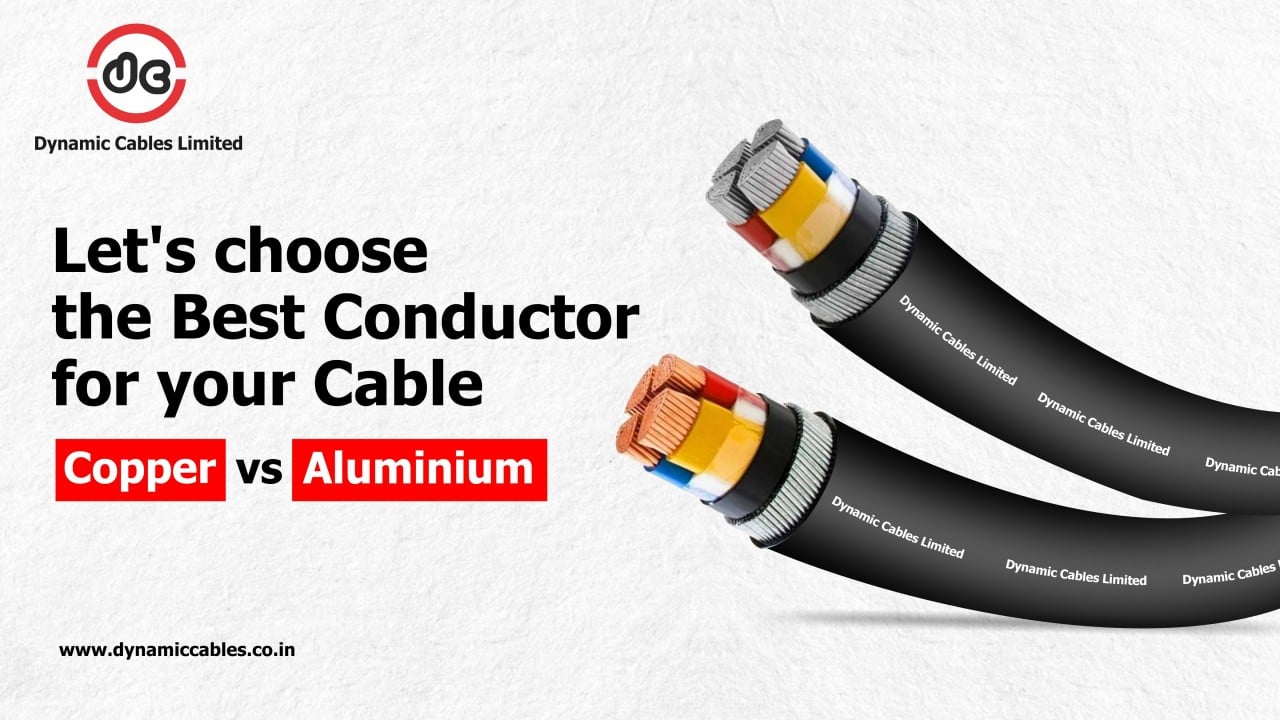
Dynamic Cables Limited – Leading wire and cable manufacturers in India for 37+ years. We deliver quality-assured electrical wires and cables, power cables
When choosing the right conductor for electrical cables, two materials often come into play: aluminium and copper. Each has advantages and disadvantages, and choosing between the two is dependent on cost, weight, conductivity, and application. As a leading manufacturer of high-quality cables & conductors, Dynamic Cables provides copper and aluminium conductors, catering to various needs. Let's compare these two conductors based on key criteria to help you decide which is better for your specific requirements.
Electrical Conductivity: Copper vs Aluminium
The most crucial factor in selecting a conductor is its electrical conductivity. Copper conductors are known for their superior conductivity, meaning they can carry more current over the same distance as aluminium conductors. For applications requiring high efficiency and minimal power loss, bare copper conductors are often preferred. Their ability to handle higher loads makes them ideal for sensitive electrical systems, such as residential wiring and high-performance circuits.
On the other hand, aluminium conductors are not as conductive as copper. However, they still perform well, particularly in power distribution systems. While you may need a more prominent aluminium conductor to carry the same current as a copper conductor, they are often chosen for their other advantages.
Weight and Flexibility
One of the key differences between copper conductors and aluminium conductors is their weight. Aluminium conductors are much lighter than copper, making them ideal for overhead power lines or where weight is a significant concern. This lightweight property reduces the strain on the infrastructure supporting the conductor, making aluminium a cost-effective option for long-distance transmission lines.
In terms of flexibility, aluminium conductors are also more malleable and easier to handle. However, bare copper conductors are still preferred when flexibility is needed, such as in residential and commercial wiring.
Durability and Corrosion Resistance
Copper conductors, incredibly bare copper conductors, are known for their excellent corrosion resistance. This makes them highly durable and long-lasting, even in harsh environmental conditions. Copper is naturally resistant to rust and corrosion, making it an excellent choice for indoor and controlled environments.
Aluminium conductors, however, are more susceptible to oxidation.
While oxidation doesn't significantly affect the material's conductivity, it can impact the long-term performance and reliability of the conductor. To counter this, many aluminium conductors are treated with protective coatings or combined with steel reinforcement (as in aluminium conductor steel-reinforced ACSR), increasing their resistance to environmental elements.
Cost Considerations
Regarding cost, aluminium conductors are more affordable than copper conductors. The price difference is one of the primary reasons aluminium is widely used for large-scale electrical projects, such as power transmission over long distances. Although aluminium requires larger wire sizes to match copper's conductivity, its lower material cost makes it a cost-effective option for power distribution.
Copper conductors come at a higher price, but the added cost can be justified in applications where high efficiency, long-term reliability, and space constraints are essential.
Choosing the Right Manufacturer: Dynamic Cables
When deciding between an aluminium conductor and a copper conductor, the quality of the product is critical. Dynamic Cables, a renowned manufacturer of cables & conductors, offers both conductors, ensuring they meet the highest industry standards for performance and safety. Whether you need copper or aluminium conductors, Dynamic Cables provides solutions tailored to your requirements.
Conclusion
In conclusion, the choice between aluminium and copper conductors depends on the specific needs of your project. Copper conductors excel in conductivity, durability, and high-performance applications, making them suitable for wiring in sensitive or high-demand systems. Aluminium conductors, with their lighter weight and lower cost, are perfect for large-scale power transmission and applications where budget considerations are essential.
With Dynamic Cables offering both aluminium and copper conductors, you can trust that you are selecting the best conductor for your needs, whether you prioritize efficiency, cost-effectiveness, or durability.


